
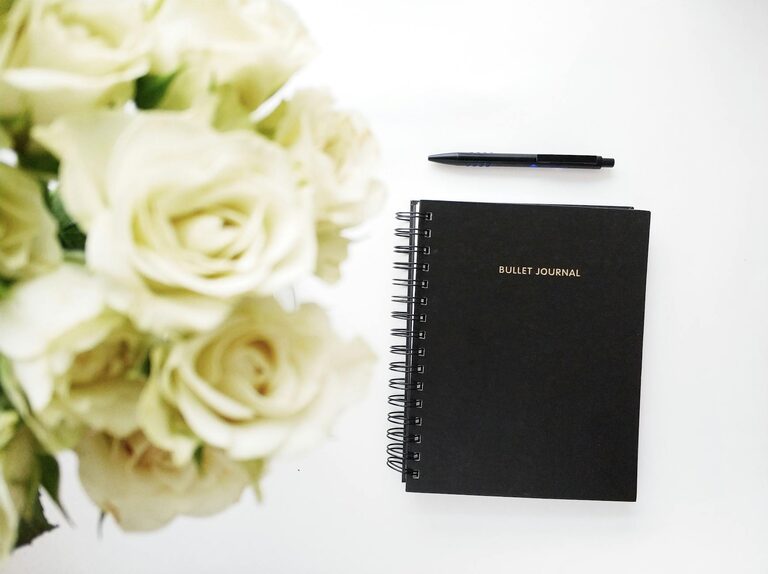
Bullet journaling has become a popular way for many people to organize their lives, track habits, and unleash creativity—all in one place. If you’re new to bullet journaling, this beginner guide will walk you through the basics, helping you get started and enjoy the process.
What Is Bullet Journaling?
Bullet journaling, often called “BuJo,” is a customizable planning system created by Ryder Carroll. It combines elements of a planner, diary, to-do list, and sketchbook into one notebook. The system uses bullet points, symbols, and short entries to help you keep track of daily tasks, upcoming events, goals, and reflections.
The beauty of a bullet journal is its flexibility. Unlike ready-made planners, you design the pages to fit your lifestyle and preferences. Whether you like minimal designs or colorful layouts, it’s up to you.
What You Need to Get Started
Starting a bullet journal requires only a few basic supplies:
– Notebook: Choose any notebook that feels good to you. Popular choices include dotted notebooks, as the dots help guide writing and drawing without the distraction of full lines.
– Pen or Pencil: Use a pen you enjoy writing with. Some bullet journalers also use colored pens or markers for highlights and decorations.
– Ruler (optional): If you want neat, straight lines, a ruler helps.
That’s it! You don’t need fancy tools or apps to begin.
Basic Components of a Bullet Journal
1. Index
The index is the table of contents for your bullet journal. It helps you find important pages quickly. You create the index on the first few pages and update it as you add new entries.
2. Key
The key explains the symbols you use throughout your journal. For example:
– • (Dot) = Task
– X = Completed task
– > = Task moved to another day
– – = Note or observation
– * = Important
Creating a key at the start keeps your system organized and consistent.
3. Future Log
The future log is where you write down events or goals happening in the upcoming months. It’s an overview of important dates like appointments, birthdays, or deadlines.
4. Monthly Log
This section breaks down your month with a calendar view or list of dates, along with a task list. It helps you plan and prioritize your activities each month.
5. Daily Log
Here’s where you record daily tasks, events, and notes. Using shorthand with bullet points lets you add or remove items quickly.
How to Set Up Your First Bullet Journal Pages
Follow these steps to start your first bullet journal:
Step 1: Number Your Pages
If your notebook isn’t pre-numbered, number the pages yourself. This makes creating and updating your index easier.
Step 2: Create the Index
Reserve the first 2-4 pages for your index. Write “Index” at the top and leave space for page titles and numbers.
Step 3: Draw Your Key
Next, add your symbols and their meanings on the following page.
Step 4: Make Your Future Log
Divide a spread (two pages facing each other) into sections for the next 4 to 6 months. Note down any known events or goals.
Step 5: Add Your Monthly Log
Set up your current month’s page. You can list the dates down the side or draw a simple calendar.
Step 6: Start Your Daily Log
Begin with today’s date and jot down tasks, events, and notes using your symbols. Add them as you go throughout the day.
Tips for Successful Bullet Journaling
– Keep it simple: Your journal doesn’t have to be perfect or artistic. Focus on functionality first.
– Use it daily: Make it a habit to check your journal each morning and evening.
– Customize as you learn: Experiment with layouts and collections like habit trackers, expense logs, or gratitude lists.
– Avoid overwhelm: If a page isn’t helpful, skip or change it. It’s your journal, your rules.
– Reflect regularly: Spend time reviewing past entries to see your progress and adjust your goals.
Ideas for Collections
Collections are custom pages that focus on specific topics. Some popular ideas include:
– Habit tracker
– Mood log
– Meal planner
– Books to read
– Travel plans
– Inspirational quotes
– Project planning
Creating collections helps you organize special interests or long-term goals.
Common Mistakes to Avoid
– Overdecorating at the start which can feel time-consuming.
– Not syncing your tasks with your real schedule.
– Writing long sentences instead of short bullet points.
– Forgetting to update the index after adding pages.
Final Thoughts
Bullet journaling is more than just a way to organize tasks—it can be a creative outlet and a mindfulness practice. Starting simple allows you to build a personalized system that fits your needs and lifestyle.
Give bullet journaling a try with the basics outlined here, and feel free to adapt it as you discover what works best for you. Soon, you’ll have a practical, customized tool that helps you stay focused, productive, and inspired.
Happy journaling!